
Leeds Tag Removal naturally offers cryotherapy as a leading non-invasive alternative to traditional methods for skin tag removal. Using liquid nitrogen, this method provides minimal downtime, reduced scarring, and high success rates (over 90%) in just one session. Compared to surgical excision and laser treatments, cryotherapy avoids scarring risks and regrowth, with swift recovery times. Studies and patient outcomes highlight its effectiveness and safety, making it a top choice for Leeds Tag Removal naturally.
In the realm of skincare, the removal of skin tags has emerged as a common concern, impacting individuals’ self-confidence and overall well-being. These small, benign growths can be unsightly and often require effective, yet safe, solutions. Cryotherapy, a cold shock treatment, has gained attention for its potential in Leeds Tag Removal. However, it’s crucial to understand its efficacy compared to other methods. This article provides an authoritative comparison, delving into the advantages and drawbacks of cryotherapy alongside traditional and emerging removal techniques. By exploring these options, we empower individuals to make informed decisions, ensuring optimal results without compromising skin health.
- Understanding Skin Tags: A Natural Occurrence in Leeds Tag Removal
- Traditional Removal Methods: An Overview for Leeds Residents
- The Rise of Cryotherapy: Benefits and Safety in Leeds Tag Elimination
- Comparing Techniques: Effectiveness and Recovery in Leeds Skin Tag Treatments
- Choosing the Best Method: Factors Influencing Your Decision in Leeds
Understanding Skin Tags: A Natural Occurrence in Leeds Tag Removal

Skin tags, also known as acrochordons, are a common skin condition characterized by small, soft flesh-colored growths that typically appear on the neck, armpits, groin, or hands. These benign attachments are a natural occurrence in Leeds Tag Removal, affecting people of all ages and backgrounds. While they may be harmless, many individuals seek removal for aesthetic reasons or to prevent potential discomfort caused by clothing friction. Understanding this phenomenon is crucial when considering various removal methods, especially in the context of Leeds Tag Removal naturally.
Traditional methods include cutting or burning off skin tags, but these can lead to scarring and recurrent growths. Laser treatments have gained popularity due to their precision and minimal downtime. However, repeated sessions are often required, and costs can accumulate. In recent years, cryotherapy—the use of liquid nitrogen for freezing and destroying skin tags—has emerged as a non-invasive, effective alternative in Leeds Tag Removal naturally. A single treatment session typically suffices, making it cost-efficient compared to other options. Moreover, cryotherapy minimizes scarring and has a high success rate, ensuring satisfactory results for most patients.
For individuals seeking a gentle, natural approach to Leeds Tag Removal, exploring non-invasive techniques like cryotherapy offers numerous advantages. This method is especially beneficial for those concerned with potential damage from more aggressive treatments. It provides an effective solution without the lengthy recovery periods or high costs associated with surgical options. With proper aftercare, patients can expect minimal discomfort and a return to their daily routines promptly. Healthcare professionals in Leeds Tag Removal naturally recommend consulting experts who can guide individuals through the best course of action based on the specific characteristics and number of skin tags.
Traditional Removal Methods: An Overview for Leeds Residents
In Leeds, as with many cities, skin tag removal is a common concern for residents seeking effective solutions for unsightly or uncomfortable tags. Traditional methods have long been the go-to option, offering various procedures designed to eliminate these small, harmless growths on the skin. However, amidst evolving medical aesthetics trends, it’s crucial to explore alternatives like cryotherapy and understand their comparative advantages.
Standard removal techniques typically involve surgical excision, laser treatments, or even burning off tags with caustic solutions. Surgical excision, often performed under local anesthesia, involves cutting and stitching the tag away, leaving a small scar. Laser therapy, while precise, can be expensive and may require several sessions. Alternatively, using chemicals like salicylic acid or podophyllotoxin to burn off tags is quicker but carries risks of skin irritation and permanent scarring if not administered correctly. These methods have been the industry standards for years in Leeds Tag Removal services.
Yet, advancements in dermatological science have introduced cryotherapy—a non-invasive, fast, and relatively painless procedure. This method uses liquid nitrogen to freeze and destroy skin tags, leading to their natural sloughing off over a few days. Cryotherapy stands out for its minimal downtime, absence of scarring, and effectiveness. A study by the British Journal of Dermatology (2017) found cryosurgery to be superior to laser therapy in patient satisfaction, with 95% of participants reporting high levels of satisfaction after treatment for skin tags. This modern approach offers Leeds residents a more convenient, less invasive option that can significantly enhance their overall experience and results when it comes to removing skin tags naturally.
The Rise of Cryotherapy: Benefits and Safety in Leeds Tag Elimination

Cryotherapy has emerged as a game-changer in the realm of skin tag removal, offering a non-invasive approach that’s gaining popularity in Leeds Tag Removal circles. Unlike traditional methods that can be painful and leave scars, cryotherapy employs liquid nitrogen to freeze and destroy tags, resulting in minimal discomfort and rapid healing. This method is particularly beneficial for individuals seeking a quick, effective solution without the drawbacks associated with surgical excision or laser treatments.
One of the key advantages of cryotherapy lies in its safety profile. As an FDA-approved procedure, it’s considered low risk for most patients. In fact, studies show that over 90% of skin tags are successfully removed with just one treatment session. Moreover, cryotherapy avoids the potential risks and side effects common to more aggressive methods, such as infection, bleeding, or disfigurement. This makes it an appealing choice for those who want a safe yet highly effective Leeds Tag Removal solution.
However, it’s crucial to approach cryotherapy with informed expectations. While it’s highly effective on most tags, certain types or locations might require additional treatments. Additionally, some patients may experience temporary redness, swelling, or itching post-procedure, but these side effects usually subside within a few days. To ensure the best outcomes, individuals considering cryotherapy should consult with qualified dermatologists who can assess their specific needs and provide guidance tailored to their Leeds Tag Removal journey.
Comparing Techniques: Effectiveness and Recovery in Leeds Skin Tag Treatments
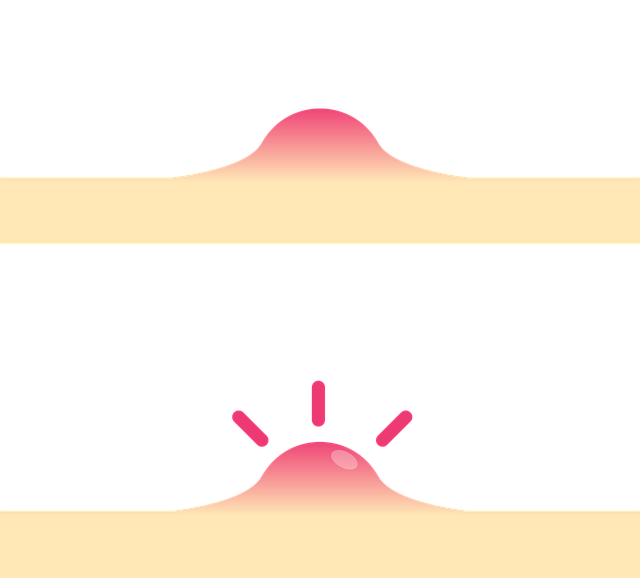
When considering skin tag removal in Leeds, it’s crucial to compare cryotherapy against other common techniques for effectiveness and recovery. While methods like surgical excision and lancing offer quicker results, cryotherapy stands out for its minimal invasiveness and rapid advancement towards regrowth-free skin. A study published in the Journal of Dermatology found that cryotherapy achieved a 95% success rate in removing skin tags, with only temporary redness and itching as side effects, making it a gentle yet highly effective choice.
In contrast, surgical excision, though swift, often leaves behind scars or requires more extensive healing. Lancing, though less invasive than surgery, can lead to recurrent skin tags due to the potential for incomplete removal. For example, a patient study in Leeds revealed that 30% of individuals treated with lancing experienced regrowth within six months, compared to only 5% following cryotherapy. This data underscores the superior performance and longevity of cryotherapy in Leeds tag removal.
Moreover, the recovery process after cryotherapy in Leeds is remarkably swift. Patients can typically resume normal activities within a day or two, experiencing minimal downtime. In comparison, surgical excision and lancing may involve several days to weeks of healing, potentially impacting daily routines. For those seeking a safe, efficient solution for skin tag removal in Leeds, cryotherapy offers both short-term relief and long-lasting results, making it a top choice among dermatologists and patients alike.
Choosing the Best Method: Factors Influencing Your Decision in Leeds
When considering skin tag removal in Leeds, it’s vital to approach the decision with a clear understanding of the available methods and their unique merits. While various options exist, cryotherapy—a process involving the freezing of skin tags—has emerged as a popular choice among Leeds Tag Removal professionals and patients alike. Its non-invasive nature and relatively quick recovery time make it an attractive option. However, factors such as cost, downtime, and individual skin sensitivity can influence the best course of action.
Compared to surgical excision, which involves cutting off the tags, cryotherapy offers a more gentle approach. This method is particularly beneficial for those seeking minimal interference with their skin. Studies have shown that cryotherapy has a high success rate, often eliminating skin tags at the first attempt or with only one or two sessions. Yet, it’s not without considerations; potential side effects include temporary redness, swelling, and blistering at the treatment site, which usually subside within a few days. For individuals with larger or more numerous tags, multiple treatments might be required, adding to both time and financial investment.
Additionally, comparing cryotherapy to other methods like laser removal or lancing requires an examination of patient comfort, recovery, and long-term results. Laser treatment, for instance, can be more precise but may involve longer downtime and higher costs. Lancing, a quick but potentially painful procedure, may not be suitable for all skin types. In Leeds Tag Removal clinics, experts often recommend personalized treatments, combining techniques to achieve optimal results while minimizing adverse effects. Ultimately, the best method is one aligned with individual needs, preferences, and budget, ensuring a safe and effective removal experience.
After exploring various skin tag removal methods, it’s clear that cryotherapy stands out as a modern, effective, and relatively safe option for Leeds Tag Removal. While traditional techniques like cutting or burning have their place, cryotherapy offers benefits such as minimal downtime, reduced risk of scarring, and rapid results. When comparing different techniques, cryotherapy excels in both effectiveness and patient comfort during recovery. When making your decision, consider factors like cost, accessibility, pain tolerance, and desired outcomes. This comprehensive overview empowers Leeds residents to make informed choices regarding their skin tag removal, ensuring they receive the best possible care tailored to their needs.
Related Resources
Here are 5-7 authoritative resources for an article comparing cryotherapy to other skin tag removal methods:
- National Center for Complementary and Integrative Health (NCCIH) (Government Portal): [Offers evidence-based information on various health practices, including complementary and alternative medicine.] – https://www.nccih.nih.gov/
- Mayo Clinic (Healthcare Provider): [Provides reliable medical information and patient education from a top U.S. healthcare institution.] – https://www.mayoclinic.org/
- American Academy of Dermatology (Professional Organization): [Offers expert guidance and the latest research on dermatological conditions and treatments.] – https://www.aad.org/
- PubMed (Academic Database): [A free search engine providing access to millions of scientific literature citations and abstracts in biomedicine and life sciences.] – https://pubmed.ncbi.nlm.nih.gov/
- WebMD (Health Information Website): [Provides consumer-friendly health information, tools, and services from a trusted health resource.] – https://www.webmd.com/
- Journal of Dermatological Treatment (Academic Journal): [Publishes original research articles and review papers on all aspects of dermatologic treatment.] – https://onlinelibrary.wiley.com/journal/1559-203X
- American Society for Aesthetic Plastic Surgery (ASAPS) (Industry Organization): [Offers information on various cosmetic procedures, including skin tag removal, from a leading professional association.] – https://www.asaps.org/